

Summary A Denver police officer may mistake slurred speech, poor balance, or unusual movements for signs of intoxication even when a medical condition, disability, injury, fatigue, or communication difference explains the behavior. These observations can support a DUI investigation, but they do not establish guilt by themselves. If you face a DUI or DWAI charge […]
Category Archives: Criminal Defense

Discovery materials help defense attorneys evaluate whether an eyewitness identification in a Denver criminal case is accurate, reliable, and legally obtained. Police reports, body camera footage, photo lineups, witness statements, and identification records can reveal inconsistencies, suggestive procedures, or mistakes that affect the strength of the prosecution’s evidence. Colorado Rule of Criminal Procedure 16 governs […]

If a store surveillance video is being used against you in a Denver, Colorado, criminal case, you can challenge its authenticity, timing, completeness, image quality, or interpretation. Colorado Rule of Evidence 901 requires a sufficient foundation showing that the recording is what the prosecution claims. Your attorney can examine the original footage, compare it with […]
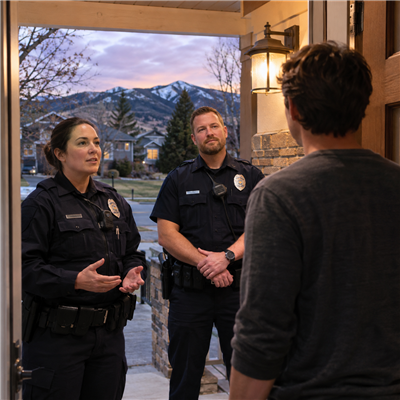
Police generally cannot enter your Colorado home simply because a neighbor reports loud music, a party, or another noise disturbance. The Fourth Amendment to the U.S. Constitution and Article II, Section 7 of the Colorado Constitution protect your home against unreasonable government entry. Officers ordinarily need a warrant, valid consent, or a recognized exception, such […]
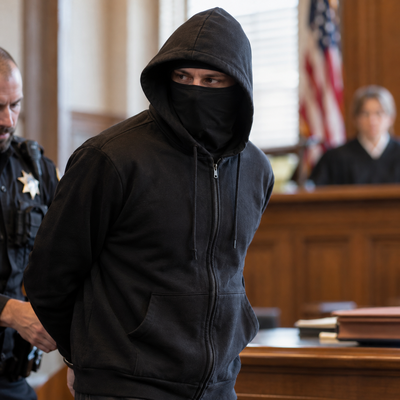
Wearing a mask or costume does not automatically make a criminal charge more serious in Colorado. The legal effect depends on how prosecutors claim the disguise was used and whether it was connected to threats, intimidation, a simulated weapon, robbery, impersonation, deception, or an effort to avoid identification. Hebets & McCallin P.C. represents people facing […]
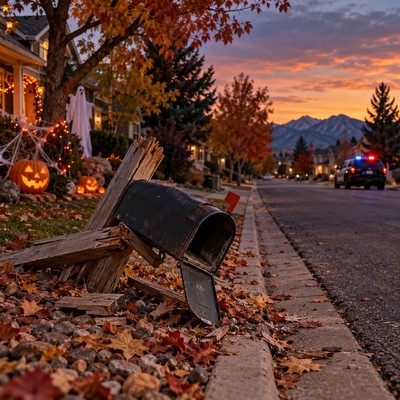
A Halloween prank can become a crime in Colorado when the conduct involves property damage, trespass, harassment, menacing, disorderly conduct, theft, assault, or another criminal offense. Calling something a joke or prank does not prevent criminal charges when the conduct meets the legal elements of an offense. Police and prosecutors may examine what happened, what […]
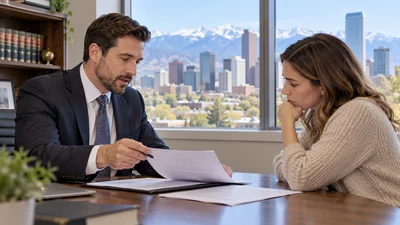
Violating a bond condition in Colorado can lead to a warrant, a court hearing, changes to your release conditions, or other consequences tied to the alleged conduct. The result depends on the condition involved, the facts reported to the court, and whether the conduct may violate a separate criminal law. Colorado law treats a breach […]
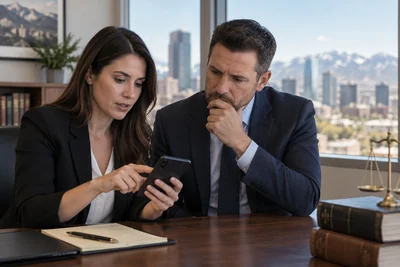
Summary Yes. Text messages can be used as evidence in a Colorado criminal case. A screenshot, phone extraction, or message record is not automatically admitted simply because it exists. The party offering the messages generally must show that the evidence is relevant, properly authenticated, and otherwise admissible under the Colorado Rules of Evidence. Text-message evidence […]

Colorado Gun Laws Explained Colorado regulates who may buy and possess firearms, how firearms may be transferred and stored, which firearms and magazines may be sold, and where a person may carry. Federal law and local ordinances can add further restrictions. This overview is updated through September 2026 and highlights major statewide rules, but the […]
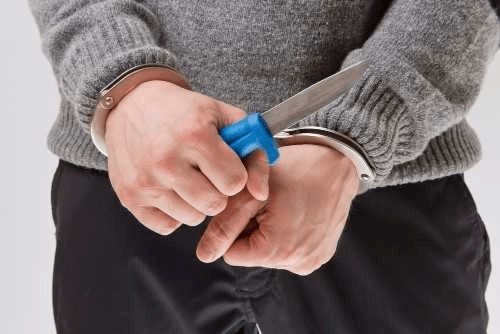
Colorado Concealed Carry Laws: What You Need to Know Colorado law distinguishes between possessing a handgun in certain private places, openly carrying a firearm, and carrying a handgun concealed on your person. The rules also change by location. State law, federal law, and local ordinances can overlap, so a permit does not authorize carrying everywhere. […]