
During holiday weekends, law enforcement officers face increased challenges on the roads as traffic surges and the potential for impaired driving rises. This blog post will explore how police handle probable cause during traffic stops over these busy periods, what drivers need to know about their rights, and how officers navigate the complex legal standards required for stops and arrests.
Holiday weekends are synonymous with increased road traffic, festivities, and celebrations. Unfortunately, they also bring with them a higher likelihood of impaired driving. With a surge in travelers and partygoers, police officers are particularly vigilant, looking out for signs of drunk or drugged drivers. However, the need for increased enforcement can sometimes lead to concerns about how police handle probable cause during traffic stops, especially in the midst of a busy holiday weekend.
The concept of “probable cause” plays a significant role in traffic stops. It is the legal standard that law enforcement must meet in order to make a stop, search, or arrest. This post will explore how probable cause is handled during holiday weekend traffic stops, why it matters, and how drivers can protect their rights during these interactions. Understanding the law behind traffic stops is crucial, as it ensures that both law enforcement and the public remain accountable to their rights and duties.
What Is Probable Cause? 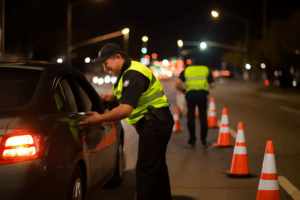
Probable cause refers to the reasonable belief, based on facts or evidence, that a person has committed a crime or is about to commit one. In the context of traffic stops, probable cause means that an officer has a valid reason to pull someone over. It is more than just a “hunch”; it requires specific observations that lead the officer to reasonably believe that a violation of law has occurred.
There are two legal standards that are often confused during traffic stops:
- Reasonable Suspicion: This is the lower threshold, allowing an officer to stop a vehicle based on observed behaviors such as weaving within a lane or driving erratically. It doesn’t require the officer to have full evidence of a crime, but it does require some observable signs that warrant further investigation.
- Probable Cause: This is a higher standard and is needed to justify more intrusive actions, such as searching a vehicle or making an arrest. For example, if an officer observes a driver swerving between lanes and smelling alcohol on their breath, they may have probable cause to arrest the driver for DUI.
The Role of Probable Cause During Holiday Weekend Traffic Stops
Holiday weekends bring about higher traffic volumes, often coupled with more drivers engaging in drinking or drug use. This makes traffic stops more complex, as officers have to manage public safety while also respecting individual rights.
Law enforcement officers are more likely to be proactive in their approach during these busy weekends. Officers will often look for specific behaviors that could suggest impaired driving or reckless driving, both of which could lead to a higher risk of accidents or fatalities.
During holiday weekends, officers often receive additional training or briefings on identifying signs of impairment and handling a higher volume of stops. However, it’s important to remember that even when traffic is congested, law enforcement must still have probable cause to pull a driver over and escalate the situation.
The Influence of Increased Traffic on Probable Cause
With thousands of vehicles on the road, police officers have to balance enforcement with practicality. During these busy times, they must navigate the challenge of distinguishing between normal driving behavior and behavior that might signal impaired or dangerous driving.
For example, a driver may be stuck in heavy traffic and exhibit behaviors like braking erratically or weaving slightly within their lane. These behaviors may not automatically indicate impairment, but they could raise reasonable suspicion. In such cases, the officer may conduct a stop, but they must gather evidence to escalate the interaction to probable cause.
Police Tactics During Holiday Weekend Traffic Stops
- DUI Checkpoints
One common tactic employed during holiday weekends is the establishment of DUI checkpoints. These are designated locations where officers stop vehicles at random or in a predetermined pattern (e.g., every fourth car). DUI checkpoints are legal, but they must be set up according to strict guidelines to avoid violating drivers’ constitutional rights. These checkpoints serve as a way for officers to observe and detect signs of impairment without having to rely on probable cause from a single observation.
However, while DUI checkpoints are effective, they raise several legal questions. Officers are required to inform drivers of their rights, and they cannot engage in unreasonable searches or detentions. The presence of DUI checkpoints also poses the question of whether they effectively deter impaired driving or simply serve as an invasive tool that could violate individual rights.
- Field Sobriety Tests and Breathalyzers
If an officer has probable cause or reasonable suspicion to suspect that a driver is impaired, they may ask the driver to perform a field sobriety test or submit to a breathalyzer test. A field sobriety test typically involves the driver performing simple physical tasks, such as walking in a straight line or standing on one leg. If the officer believes the driver is impaired based on the test, they may then arrest the driver.
Breathalyzer tests measure the blood alcohol content (BAC) of the driver. In the United States, a BAC of 0.08% or higher is considered the legal threshold for impairment. If a driver refuses to take a breathalyzer test, they may face penalties such as an automatic license suspension, even without an arrest.
Probable Cause and Your Rights During Traffic Stops
- Right to Remain Silent
When stopped by the police, you are required to provide your driver’s license and registration upon request, but you do not have to answer questions about where you were or what you were doing. This is especially important during holiday weekends, where officers may try to engage drivers in lengthy conversations to gather information or establish a case for probable cause.
- Right to Refuse a Search
Police cannot search your vehicle unless they have probable cause or a warrant. In the case of a traffic stop, if officers ask to search your car, you have the right to refuse the search. If they insist on a search, you should ask if they have probable cause or a warrant to do so.
- Right to a Lawyer
If you are arrested during a traffic stop, you have the right to legal representation. You are entitled to have an attorney present during questioning, and anything you say to the police can be used against you in court. It’s essential to know this right during the stress of a holiday traffic stop.
Common Mistakes Drivers Make During Traffic Stops
- Overreacting or Being Uncooperative: While it’s understandable to feel anxious or upset, it’s essential to remain calm and polite during a traffic stop. Being combative or uncooperative can escalate the situation unnecessarily.
- Not Knowing Your Rights: Drivers often give consent for searches or answer questions that they are not legally obligated to. It’s essential to know when you can invoke your rights to remain silent or refuse a search.
- Inadvertently Giving Incriminating Information: In the course of questioning, some drivers may inadvertently admit to having been drinking or using drugs. If you are unsure about your answers, it’s okay to decline to answer questions or request legal advice.
What Should You Do If You Feel Your Rights Have Been Violated?
If you believe that your rights have been violated during a traffic stop, it’s crucial to document everything as soon as possible. Write down the time, location, and details of the interaction, including the officer’s name and badge number if possible. Record or take note of any other relevant details, such as whether a search was conducted without probable cause.
The next step is to consult an attorney who specializes in criminal defense or DUI law. They can help you understand your legal options and whether any action needs to be taken in response to the violation of your rights.
Probable cause plays a vital role in how police handle traffic stops, especially during the high-pressure environment of a holiday weekend. Understanding what probable cause entails and knowing your rights during a traffic stop is crucial for every driver. With law enforcement becoming more active during these busy periods, it’s essential to stay informed about the legal standards that protect both the public and law enforcement officers.
If you feel that you’ve been wrongly arrested or have concerns about your rights during a traffic stop, contact Hebets & McCallin P.C. today for a consultation. Our experienced team is here to protect your rights and ensure that you are treated fairly under the law.