
In Colorado, individuals who have been convicted of certain crimes may be eligible to seal their criminal records. Sealing a record can provide significant benefits, including improved employment opportunities and a fresh start. This guide discusses the eligibility criteria and the steps involved in sealing a criminal record in Colorado.






Understanding Record Sealing in Colorado 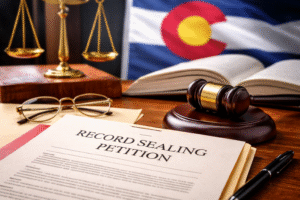
Criminal convictions can carry a lasting stigma. Many people find that their criminal records affect their ability to get a job, secure housing, or live freely without the weight of their past constantly holding them back. However, in Colorado, there is a legal process that can provide relief—record sealing. Record sealing allows individuals to restrict public access to their criminal records, offering them a second chance and an opportunity to move forward.
Hebets & McCallin P.C., a trusted firm specializing in criminal defense in Denver, helps people navigate this process. Sealing a record can provide numerous benefits, including better job opportunities and peace of mind. This guide explains when you may qualify for record sealing in Colorado and the steps to take to secure your future.
What Does it Mean to Seal a Criminal Record in Colorado?
Sealing a criminal record means that the court orders that your record no longer be accessible to the public. In other words, most employers, landlords, and other organizations will not be able to see the criminal record during background checks. However, it is important to note that sealing a record does not erase the conviction—it simply limits public access. Law enforcement and certain governmental agencies still have the right to access sealed records.
Sealing a record does not imply that you are absolved of your past; it simply provides a fresh start in the eyes of the public. This is especially important in Colorado, where employers and housing providers often perform background checks, and a criminal record can significantly impact one’s ability to find employment or secure housing.
Just like anything else, practice leads to proficiency. With over 35 years of combined experience, we've gathered extensive knowledge inside and outside the courtroom.

Eligibility Criteria for Record Sealing
The eligibility criteria for record sealing in Colorado are specific and require careful attention. Not every case qualifies for record sealing, and the process may not be available for all offenses. Here are the general guidelines for when an individual may be eligible to have their record sealed:
- Dismissed Charges: If charges against you were dropped or dismissed before trial, you can request that your record be sealed.
- Acquittals: If you were found not guilty of a crime following a trial, you may be eligible to seal your record.
- Convictions After Completion of Probation or Sentence: In cases where a conviction occurred, but you successfully completed probation, parole, or any other sentence, you may request to seal the record after a specific waiting period.
- Waiting Periods: For some crimes, there are mandatory waiting periods before a record can be sealed. The waiting period may vary depending on the severity of the crime, the outcome of the case, and whether you’ve had any other convictions.
- No Further Criminal Activity: To qualify for sealing, you must have had no further convictions or pending charges since the conviction in question. This is crucial because sealing a record is meant for individuals who have shown rehabilitation and are committed to maintaining a law-abiding life.
It’s important to understand that not all offenses are eligible for record sealing in Colorado. For example, violent crimes, sex offenses, and other serious crimes are usually not eligible to be sealed. However, exceptions may exist, and some individuals may still qualify after a certain period has passed.
Which Crimes are Not Eligible for Record Sealing?
While many types of charges can be sealed under Colorado law, some crimes are not eligible for record sealing. These typically involve serious offenses that carry significant penalties and potential harm to others. In Colorado, crimes that are generally ineligible for sealing include:
- Sex Offenses: Felony sex offenses, including sexual assault and child abuse, are typically not eligible for sealing.
- Violent Crimes: Violent crimes such as murder, manslaughter, or assault with a deadly weapon are usually excluded from the sealing process.
- Crimes Involving Serious Injury: Offenses where there was substantial harm or injury to the victim may not qualify for sealing.
- Drug Trafficking Convictions: Large-scale drug trafficking charges often do not qualify for sealing.
However, these exclusions do not mean that all violent or serious crimes are automatically ineligible for sealing. Certain convictions, especially those related to crimes committed in the past, may be subject to exceptions under Colorado law.
Collin McCallin performed EXCELLENTLY with my case. He kept in consistent contact with me throughout and showed diligence and extreme care for what I was dealing with. He worked effectively with the district attorney to resolve my case, and I could not be more pleased with the work. Thanks again! - Tim W Working with Russell lifted a huge weight off of our shoulders and allowed my husband and me to get back to living our lives knowing we were in good hands. Russell is truly a genuine and caring person and my husband and I will forever be grateful for the hard work, empathy, and support Russell gave us with my case. His persistence and determination resulted in a full dismissal of all of the charges!" - AnonymousExcellent Attorney
The Best Choice
The Process for Sealing Your Record in Colorado
Sealing a criminal record is a formal legal process. It requires filing a petition with the court and presenting evidence to support your case. Here’s an overview of the steps involved in sealing your criminal record:
- Petition Filing: The first step is to file a petition for sealing with the court where your case was handled. The petition should include information about your case, including the charges, conviction (if applicable), and the outcome.
- Provide Evidence of Eligibility: You will need to provide proof that you meet the eligibility criteria. This may include evidence that the charges were dismissed, that you were acquitted, or that you successfully completed your sentence without further violations.
- Notify the District Attorney and Other Relevant Agencies: The district attorney’s office and other relevant agencies must be notified of your request. They have the right to object to the sealing of the record, although such objections are typically rare.
- Court Hearing (if required): In some cases, a hearing may be scheduled. During this hearing, the judge will review the evidence presented and make a determination. You may need to appear in court to argue your case.
- Judge’s Decision: The judge will decide whether to grant or deny your request to seal the record. If approved, the court will issue an order sealing your record.
It’s important to keep in mind that the process can take several months. If your case is complex or involves multiple charges, it may be helpful to consult with an attorney to ensure your application is completed accurately.
Benefits of Sealing Your Criminal Record
There are many benefits to sealing your criminal record, especially if you’ve been convicted of a non-violent crime and have demonstrated rehabilitation. The most notable benefits include:
- Improved Employment Opportunities: Many employers conduct background checks as part of the hiring process. Sealing your record can prevent employers from discovering past convictions, making it easier for you to secure gainful employment.
- Housing Opportunities: Landlords also perform background checks before renting properties. Sealing your record can reduce the chances of being denied a rental application due to past convictions.
- Peace of Mind: Sealing your record allows you to live a more peaceful and fulfilling life without the constant reminder of your past mistakes. It can also protect your privacy from individuals who may use your criminal history against you.
- Reduction in Stigma: A criminal conviction can carry a long-lasting stigma. By sealing your record, you remove that stigma, helping others to focus on your present and future accomplishments, not your past.
Challenges and Potential Pitfalls in the Record Sealing Process
While the record sealing process is beneficial, it’s not always straightforward. There are challenges that individuals may face, including:
- Incomplete Applications: Filing a complete and accurate application is crucial for success. If you miss a step or fail to provide necessary documents, your petition could be delayed or denied.
- Objections from the District Attorney: While uncommon, the district attorney may object to sealing your record. If this happens, you may need to attend a hearing and argue your case in front of a judge.
- Long Wait Times: The process of sealing a criminal record can take several months. Patience and attention to detail are essential.
Working with Hebets & McCallin P.C.
If you are considering applying to seal your criminal record in Colorado, it’s important to work with an experienced attorney. Hebets & McCallin P.C. is committed to helping clients navigate the complex legal process of record sealing. Our team of dedicated professionals will work with you every step of the way to ensure that your application is complete and your case is presented effectively.