
Yes. You can be charged with DUI, DWAI, or DUI per se for riding an electric scooter in Denver when the facts meet Colorado’s impaired-driving laws. Colorado Revised Statutes § 42-4-1301 applies to a person who drives a “motor vehicle or vehicle” while under the influence or while ability impaired. Colorado’s statutory definition of “vehicle” specifically includes an electric scooter.
The distinction between a “vehicle” and a “motor vehicle” matters. Colorado includes an electric scooter within the definition of a vehicle, but generally excludes an electric scooter from the definition of a motor vehicle. That difference can affect Express Consent testing and driver-license procedures. A low-power scooter is treated differently for several DUI-related statutes, so the device’s legal classification can be a central issue.
Hebets & McCallin P.C. represents people facing DUI and DWAI allegations in Denver, Colorado, and nearby areas. In an electric scooter case, the device, evidence of driving, claimed impairment, chemical testing, police procedure, and any DMV action should be reviewed separately.






Why an Electric Scooter Counts as a Vehicle in Colorado 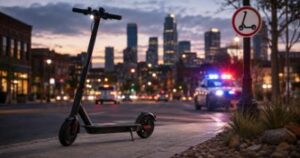
Colorado Revised Statutes § 42-4-1301 does not limit DUI and DWAI charges to cars, trucks, and motorcycles. The statute applies when a person drives a “motor vehicle or vehicle” while under the influence of alcohol or one or more drugs, while ability impaired, or with a qualifying blood alcohol content for DUI per se.
Colorado Revised Statutes § 42-1-102 specifically includes an electric scooter in the definition of “vehicle.” The statutory electric-scooter definition covers a device that meets specified requirements involving weight, handlebars, wheels, an electric motor, and maximum speed.
This means that a device does not fall outside Colorado DUI law simply because it is small, rented through an app, or ridden while standing.
For more information about impaired-driving charges in Denver, visit:
https://www.hebetsmccallin.com/denver-dui-lawyers/
Just like anything else, practice leads to proficiency. With over 35 years of combined experience, we've gathered extensive knowledge inside and outside the courtroom.

DUI, DWAI, and DUI Per Se Can Apply to Electric Scooters
Colorado recognizes several impaired-driving theories.
- DUI: Driving under the influence applies when alcohol, one or more drugs, or a combination affects a person to the point that the person is substantially incapable of exercising clear judgment, sufficient physical control, or due care in the safe operation of a vehicle.
- DWAI: Driving while ability impaired applies when alcohol, one or more drugs, or a combination affects a person to the slightest degree so that the person is less able than usual to exercise clear judgment, sufficient physical control, or due care.
- DUI per se: A person can commit DUI per se by driving a motor vehicle or vehicle with a blood alcohol content of 0.08 or more at the time of driving or within two hours after driving, subject to the statutory rules governing proof and defenses.
A scooter rider can face an allegation involving alcohol, marijuana, prescription medication, another drug, or a combination of substances. A BAC below 0.08 does not automatically prevent a DUI or DWAI allegation when other evidence is offered to prove impairment.
What Makes an Electric Scooter DUI Different From a Car DUI?
The distinction between “vehicle” and “motor vehicle” is one of the main legal issues in an electric scooter case.
Colorado includes an electric scooter within the definition of “vehicle,” which brings a qualifying electric scooter within the criminal DUI, DWAI, and DUI per se statute. At the same time, Colorado generally excludes an electric scooter from the definition of “motor vehicle.”
A “low-power scooter” is a separate statutory category. Colorado treats a low-power scooter as a motor vehicle for several DUI-related provisions, including the DUI statute and Express Consent law.
People often use the terms “electric scooter,” “scooter,” and “moped” interchangeably. The everyday label does not control the legal classification. The device’s weight, wheels, motor, design, and maximum speed may need to be examined.
A scooter can fall within the criminal DUI statute even when the same device does not qualify as a motor vehicle for every DUI-related procedure.
Collin McCallin performed EXCELLENTLY with my case. He kept in consistent contact with me throughout and showed diligence and extreme care for what I was dealing with. He worked effectively with the district attorney to resolve my case, and I could not be more pleased with the work. Thanks again! - Tim W Working with Russell lifted a huge weight off of our shoulders and allowed my husband and me to get back to living our lives knowing we were in good hands. Russell is truly a genuine and caring person and my husband and I will forever be grateful for the hard work, empathy, and support Russell gave us with my case. His persistence and determination resulted in a full dismissal of all of the charges!" - AnonymousExcellent Attorney
The Best Choice
Could an Electric Scooter DUI Affect Your Driver’s License?
Yes, but the license consequences can differ from a typical car DUI.
Colorado’s Express Consent law, § 42-4-1301.1, applies to a person who drives a motor vehicle. Because Colorado generally excludes an electric scooter from the statutory definition of “motor vehicle,” the standard Express Consent process may not apply in the same way when the device is a true electric scooter.
That distinction can affect mandatory chemical testing and administrative consequences tied to an alleged refusal. A low-power scooter can produce a different result because Colorado includes low-power scooters within the motor-vehicle definition for Express Consent purposes.
Police can still seek evidence through lawful means. Depending on the circumstances, chemical evidence may be obtained through voluntary consent, a warrant, or another procedure authorized by law.
A separate license issue can arise after a conviction. For a driver who is 21 or older, Colorado’s conviction-based revocation statute generally provides a nine-month revocation after a DUI or DUI per se conviction under the cited provisions, subject to statutory exceptions. A DWAI conviction alone does not carry that same nine-month conviction-based revocation provision.
If you receive a DMV notice, review it promptly. Colorado DMV hearing deadlines can be as short as seven days in Express Consent matters. The criminal case and any DMV proceeding are separate matters.
What Evidence Can Police Use in a Denver Electric Scooter DUI Case?
A scooter DUI case can depend on much more than a breath or blood result. Police and prosecutors may try to establish who was driving, when the riding occurred, and whether the rider was impaired at that time.
Evidence may include:
- Body-camera or dash-camera video
• Statements by the rider or witnesses
• Police observations of balance, speech, coordination, or behavior
• Field sobriety exercises
• Lawfully obtained breath or blood test results
• Surveillance video from nearby businesses or residences
• 911 calls or dispatch records
• Photographs of the scooter and scene
• Rental-app records
• Ride start and end times
• Payment records
• Account information
• Location data
• Medical records when an injury or fall is relevant
With a shared scooter, digital records may help establish when a ride began and ended, where the device traveled, and which account rented it. Those records can also expose gaps or conflicts in the prosecution’s timeline.
Roadside exercises can raise separate questions after a scooter stop. Uneven pavement, footwear, fatigue, an injury, or the physical effects of a fall can affect how a person performs.
For more information about field sobriety tests in Denver, visit:
https://www.hebetsmccallin.com/denver-field-sobriety-test-attorneys/
Possible Penalties for an Electric Scooter DUI
A scooter does not automatically make an impaired-driving case minor. If the prosecution proves DUI, DUI per se, or DWAI, the sentencing provisions in Colorado law can apply.
For a first DUI or DUI per se conviction, Colorado law generally provides:
- 5 days to 1 year in county jail
• A $600 to $1,000 fine
• 48 to 96 hours of useful public service
• Possible probation of up to two years
Colorado law allows the five-day minimum jail period to be suspended when the statutory alcohol or drug evaluation, education, and treatment requirements are satisfied. Other sentencing rules can apply when the BAC is especially high or when aggravating facts are present.
For a first DWAI conviction, Colorado law generally provides:
- 2 to 180 days in county jail
• A $200 to $500 fine
• 24 to 48 hours of useful public service
• Possible probation of up to two years
The minimum DWAI jail period can also be suspended when the statutory program conditions are met.
Prior DUI, DUI per se, or DWAI convictions can increase the penalties. A new DUI, DUI per se, or DWAI offense can be a class 4 felony when it occurs after three or more qualifying prior convictions arising from separate and distinct criminal episodes.
A collision, injury, reckless conduct, property damage, or another alleged offense can create additional legal issues. The possible consequences should be evaluated from the actual charges and evidence.
For answers to common Colorado DUI questions, visit:
https://www.hebetsmccallin.com/frequently-asked-questions-about-duis/
Potential Defense Issues in a Denver Electric Scooter DUI Case
There is no single defense that applies to every electric scooter DUI case. A useful case review separates what the prosecution must prove from assumptions made during the investigation.
Questions can include:
- Does the device legally qualify as an electric scooter, a low-power scooter, or another type of vehicle?
• Can the prosecution prove who was driving the scooter?
• Can the prosecution prove when the alleged driving occurred?
• Was the police stop, detention, or arrest lawful?
• Were statements obtained and recorded lawfully?
• Were roadside observations affected by an injury, a fall, terrain, footwear, fatigue, or another explanation?
• Was chemical evidence obtained through a lawful process?
• Were the testing methods and records reliable?
• Do app records, video, witnesses, or location data conflict with the police timeline?
• Was an Express Consent advisement legally applicable to the specific device?
• Does any DMV action match the device classification and the statute being used?
The physical setting can matter. A person who has just stepped off a scooter or fallen may present differently from someone who has been sitting in a car. Those facts do not determine the outcome by themselves, but they can affect how observations are interpreted.
What to Do After an Electric Scooter DUI Arrest
Preserve information before it disappears. Shared-scooter records, videos, receipts, and location data may become harder to obtain as time passes.
Consider preserving:
- The scooter company’s receipt or ride history
• Screenshots showing ride start and end times
• Payment records
• Location history
• Photographs or videos from the area
• Messages sent before or after the ride
• Names and contact information for witnesses
• Court paperwork
• Police paperwork
• DMV notices
• Medical records related to a fall or injury
Write a private timeline while the events are still fresh. Record where the ride began, where it ended, when police made contact, whether a fall occurred, what testing was requested, and what paperwork you received.
Avoid posting details of the incident on social media. Do not contact witnesses to influence what they say. Keep all court and DMV documents together.
If police requested a chemical test or you received a notice involving your driving privileges, have the paperwork reviewed promptly. The correct procedure can depend on the device classification and the facts of the stop.
For general guidance about police encounters in DUI cases, visit:
https://www.hebetsmccallin.com/what-not-to-do-when-stopped-for-a-dui/
Common Questions About Electric Scooter DUI Charges in Denver
Can you get a DUI on a rented electric scooter in Denver?
Yes. Renting the scooter through an app does not prevent Colorado’s DUI, DWAI, or DUI per se statute from applying if the device qualifies as a vehicle and the other elements of the offense are proved.
Does a BAC below 0.08 mean you cannot be charged?
No. The 0.08 threshold is tied to DUI per se. Colorado can pursue DUI or DWAI based on other evidence of impairment even when the reported BAC is below 0.08.
Does refusing a chemical test on an electric scooter automatically revoke your license?
Not necessarily. Colorado’s standard Express Consent law is written for motor vehicles, and a true electric scooter is generally excluded from that definition. A low-power scooter is treated differently. The device classification and the paperwork issued by police should be reviewed before assuming that the usual refusal rules apply.
Can a scooter DUI conviction still affect a driver’s license?
Yes. A DUI or DUI per se conviction can trigger a separate conviction-based license revocation even when the Express Consent rules do not apply in the usual way. The specific consequence depends on the conviction, the driver’s age, prior history, and any other DMV action.
Speak With a Denver DUI Defense Attorney
An electric scooter DUI can involve criminal DUI law, vehicle definitions, chemical-testing rules, digital ride records, and driver-license issues. Hebets & McCallin P.C. can review the device, police reports, video, chemical testing, scooter-app records, witness accounts, and DMV paperwork to identify the issues that apply to your case.
Hebets & McCallin P.C. represents people facing DUI and DWAI allegations in Denver, Colorado, and nearby areas.
Call 303-854-6006 to request a consultation.
Contact the firm online:
https://www.hebetsmccallin.com/contact-us/
This article is for informational purposes only and is not legal advice. Reading this article or contacting the firm does not create an attorney-client relationship. Consult an attorney about your specific situation.
