
Hebets & McCallin P.C. in Denver regularly sees how quickly a routine summer trip can turn into a serious legal situation for visitors who are unfamiliar with Colorado DUI laws. Tourists arrive expecting scenic drives, mountain trips, and nightlife experiences, but many do not realize how strictly impaired driving laws are enforced throughout the state, especially in and around Denver during peak travel months. Law enforcement treats every driver the same regardless of where they are from, which means visitors from other states or countries are held to the same legal standards as local residents from the moment they get behind the wheel.






Denver becomes especially active in the summer due to festivals, concerts, sporting events, and heavy tourism traffic moving between the city and nearby mountain destinations. This increase in road activity leads to heightened enforcement and more frequent traffic stops. For tourists, this combination of unfamiliar roads, elevation effects, and strict enforcement creates a situation where small misjudgments can escalate quickly. Understanding how DUI laws operate in Colorado before driving in the area can make a meaningful difference in avoiding unexpected legal complications.
DUI enforcement during summer travel in Denver 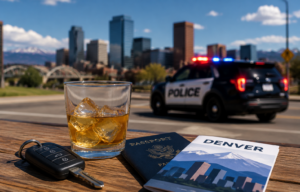
Summer in Denver brings a noticeable increase in traffic stops related to suspected impaired driving. Law enforcement agencies increase patrol presence on highways, city streets, and routes leading toward mountain destinations. The goal is road safety, but the result is that visitors are more likely to encounter sobriety checkpoints or targeted enforcement zones.
Tourists often assume that enforcement is relaxed in vacation settings, yet Colorado maintains consistent DUI standards throughout the year. Officers are trained to observe driving behavior such as lane drifting, delayed reactions, inconsistent speed, or minor traffic violations that may signal impairment. Once a stop begins, the interaction can escalate quickly into a DUI investigation depending on observations made during the initial contact.
Hebets & McCallin P.C. frequently works with visitors who did not realize how quickly a standard traffic stop can develop into a formal DUI investigation. Many of these situations begin with minor issues such as a broken taillight or slight lane movement, which then leads to further questioning and testing.
Just like anything else, practice leads to proficiency. With over 35 years of combined experience, we've gathered extensive knowledge inside and outside the courtroom.

How DUI laws apply to tourists in Colorado
Colorado law applies equally to all drivers operating a vehicle within the state boundaries. Residency does not change legal exposure. Tourists are subject to the same DUI and DWAI statutes as Colorado residents, which means impairment standards and testing procedures are identical for everyone on the road.
A driver can face charges based on observed impairment or chemical test results. Even without a high blood alcohol concentration, a driver may still face DWAI charges if alcohol or substances affect driving ability. This is a point that surprises many visitors who assume only high BAC levels result in legal consequences.
Tourists also face additional complications due to jurisdictional issues. A case initiated in Colorado may follow the individual back to their home state, creating administrative and legal challenges beyond the initial stop.
More details about DUI penalties can be found here:
https://www.hebetsmccallin.com/how-much-does-a-dui-cost/
Blood alcohol concentration and altitude considerations
Colorado’s legal blood alcohol concentration limit for most drivers is 0.08 percent. While this is consistent with national standards, environmental conditions in Denver can affect how alcohol impacts the body. The city’s elevation contributes to faster absorption and stronger effects, even when alcohol consumption seems moderate compared to sea-level experiences.
Tourists often misjudge their level of impairment because they compare their experience to drinking at home. At higher altitude, dehydration and oxygen differences can intensify symptoms such as slowed reaction time or impaired coordination. These effects become particularly important during nighttime driving or after social events.
Law enforcement uses both observational indicators and chemical testing to determine impairment. Refusal to participate in testing can also lead to separate penalties under Colorado law, which can complicate an already difficult situation for out-of-state visitors.
Collin McCallin performed EXCELLENTLY with my case. He kept in consistent contact with me throughout and showed diligence and extreme care for what I was dealing with. He worked effectively with the district attorney to resolve my case, and I could not be more pleased with the work. Thanks again! - Tim W Working with Russell lifted a huge weight off of our shoulders and allowed my husband and me to get back to living our lives knowing we were in good hands. Russell is truly a genuine and caring person and my husband and I will forever be grateful for the hard work, empathy, and support Russell gave us with my case. His persistence and determination resulted in a full dismissal of all of the charges!" - AnonymousExcellent Attorney
The Best Choice
What happens during a DUI stop in Denver
A DUI stop typically begins with a traffic violation or checkpoint encounter. Officers may observe driving behavior first, then initiate contact to assess whether impairment is present. Questions about travel plans, alcohol consumption, or recent activities often follow.
If officers suspect impairment, they may request field sobriety tests. These exercises are used to evaluate balance, coordination, and cognitive response. In many cases, breath or blood testing follows depending on the circumstances of the stop.
Tourists are often unfamiliar with these procedures, which can lead to confusion during the interaction. Small misunderstandings or missteps during this stage can influence how the situation develops.
A helpful overview of what to avoid during a stop is available here:
https://www.hebetsmccallin.com/what-not-to-do-when-stopped-for-a-dui/
Rental vehicles and out-of-state drivers
Many visitors to Denver rely on rental vehicles for travel between the airport, city, and surrounding mountain areas. Rental agreements do not provide any protection from DUI enforcement. If a driver is arrested, the rental company may become involved due to contractual obligations and vehicle return requirements.
Out-of-state drivers also face administrative complications. A Colorado DUI conviction can be reported to the driver’s home state, which may trigger additional penalties such as license suspension or insurance consequences. These secondary effects often last longer than the initial case itself.
Tourists sometimes underestimate how long the legal process can take and how much coordination is required after returning home. Court dates, compliance requirements, and administrative hearings may still apply even after leaving Colorado.
Common mistakes tourists make during DUI stops
Tourists often make avoidable mistakes during DUI encounters due to unfamiliarity with local procedures. Some of the most common include:
- Underestimating impairment after drinking at altitude
- Speaking extensively without understanding legal implications
- Attempting to explain or argue roadside decisions
- Agreeing to tests without understanding consequences
Each of these actions can influence how a case develops. A more detailed breakdown of common errors is available here:
https://www.hebetsmccallin.com/top-tips-from-the-best-dui-lawyers/
Penalties and long-term consequences
DUI penalties in Colorado can include fines, probation, mandatory education programs, community service, and potential jail time depending on circumstances. Even first-time cases carry consequences that extend beyond the courtroom.
For tourists, one of the most significant challenges is managing obligations after leaving the state. Court appearances may still be required, and failure to comply can result in additional penalties. Insurance increases and driving record impacts can also follow an out-of-state conviction.
License consequences are often handled separately from criminal proceedings, which adds another layer of complexity. More information on license impacts is available here:
https://www.hebetsmccallin.com/do-you-lose-your-license-for-a-dui-five-things-to-know/
How to reduce risk while traveling in Denver
Visitors can reduce risk by planning transportation in advance and understanding that DUI enforcement is consistent across all areas of Colorado. Rideshare services, designated drivers, and public transportation are commonly used alternatives in Denver, especially during high-traffic summer weekends.
Staying informed about local laws before driving is one of the most effective ways to avoid unintended violations. Awareness of how quickly a stop can escalate helps travelers make more careful decisions when choosing how to get around.
Legal support for tourists facing DUI charges
Hebets & McCallin P.C. represents individuals facing DUI allegations throughout Denver, including visitors who are charged while traveling. Out-of-state cases often require additional coordination, especially when court requirements extend beyond the initial stay in Colorado.
Tourists benefit from early legal guidance because timelines, evidence review, and procedural steps can begin immediately after a stop. Quick action can help clarify obligations and reduce uncertainty during an already stressful situation.
Tourists driving in Denver during the summer face the same DUI laws as residents, along with added challenges related to unfamiliar roads, elevation effects, and travel schedules. Enforcement remains consistent year-round, and even minor mistakes can lead to significant legal consequences. Understanding how these laws operate before driving in Colorado helps reduce risk and improves decision-making during travel.
This information is for educational purposes only and is not legal advice. Consult an attorney about your specific situation.
Speak With a Denver DUI Defense Team
If a DUI-related situation arises while visiting Denver, Hebets & McCallin P.C. provides legal support tailored to both residents and out-of-state visitors. Early guidance can help clarify next steps and protect your rights throughout the process.
