
Denver’s summer season brings large crowds, concerts, and festivals that often lead to increased DUI enforcement across the city. Hebets & McCallin P.C. regularly represents individuals charged after these events, where small judgment errors turn routine nights into serious legal situations. Most cases stem from predictable mistakes such as misjudging impairment, misunderstanding checkpoints, or underestimating transportation challenges.
Understanding how enforcement works and how Colorado DUI laws apply during these events helps reduce risk and supports better decision-making before and after a night out.






Summer Concert Season in Denver and Why DUI Enforcement Increases 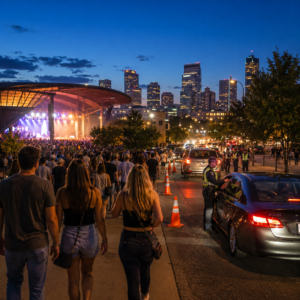
Summer in Denver creates a predictable pattern for law enforcement activity. Large outdoor venues, packed neighborhoods, and festival districts draw thousands of people into concentrated areas where alcohol consumption is common. Police departments respond by increasing patrol presence, setting up DUI checkpoints, and monitoring traffic leaving entertainment zones.
Hebets & McCallin P.C. handles a significant number of DUI cases that originate during this seasonal spike, especially near downtown venues and major festival corridors. The increase is not tied only to extreme impairment situations. Many arrests come from short trips that drivers believed were safe, often only a few blocks or a short distance from a concert or bar district.
Traffic congestion, rideshare delays, and limited parking also contribute to risky decisions. When transportation becomes inconvenient, some individuals decide to drive even after consuming alcohol, assuming the distance or timing reduces risk. These assumptions frequently lead to stops that escalate into DUI investigations.
How DUI Stops Typically Happen After Concerts and Festivals
DUI stops following concerts and festivals in Denver often begin with minor traffic observations rather than obvious violations. Officers may initiate stops for lane issues, rolling stops, or equipment concerns. Once contact begins, the interaction often shifts toward impairment screening.
Drivers may be asked questions about their evening, destination, and alcohol consumption. Field sobriety tests can follow based on initial observations. Breath or blood testing may then be requested depending on the officer’s assessment.
Understanding this progression matters because many individuals assume they must appear visibly intoxicated for an arrest to occur. Colorado law allows impairment determinations based on a combination of observations and test results, even when behavior appears controlled.
Just like anything else, practice leads to proficiency. With over 35 years of combined experience, we've gathered extensive knowledge inside and outside the courtroom.
Mistakes People Make After Leaving Events
Several recurring mistakes appear in cases tied to summer entertainment districts. One of the most common is the belief that short driving distances eliminate risk. Even driving a few blocks after drinking can lead to a stop and subsequent investigation.
Another frequent issue involves delayed transportation decisions. People often wait too long to arrange rides, assuming availability will remain steady after events end. When rideshares surge or public transit becomes crowded, frustration leads some individuals to choose driving instead.
Communication during traffic stops also plays a role. Many people attempt to explain or justify their situation in detail, believing cooperation will prevent escalation. Officers, however, document statements carefully, and those statements often become part of the case record.
Understanding these patterns helps explain why many DUI arrests occur in situations that initially feel routine or controlled.
Legal Standards for DUI in Colorado
Colorado DUI law does not require extreme intoxication. A person may face charges based on impairment affecting the ability to operate a vehicle safely or based on chemical test results that meet statutory thresholds.
Law enforcement relies on a combination of physical observations, driving behavior, and test results. Because of this structure, cases vary widely depending on the circumstances of the stop, the accuracy of testing procedures, and how evidence is documented.
More detailed information about DUI penalties and case outcomes can be found here:
https://www.hebetsmccallin.com/how-much-does-a-dui-cost/
General answers to common legal questions are also available here:
https://www.hebetsmccallin.com/frequently-asked-questions-about-duis/
Collin McCallin performed EXCELLENTLY with my case. He kept in consistent contact with me throughout and showed diligence and extreme care for what I was dealing with. He worked effectively with the district attorney to resolve my case, and I could not be more pleased with the work. Thanks again! - Tim W Working with Russell lifted a huge weight off of our shoulders and allowed my husband and me to get back to living our lives knowing we were in good hands. Russell is truly a genuine and caring person and my husband and I will forever be grateful for the hard work, empathy, and support Russell gave us with my case. His persistence and determination resulted in a full dismissal of all of the charges!" - AnonymousExcellent Attorney
The Best Choice
Rights During Traffic Stops and Checkpoints
Drivers stopped after concerts or festivals often encounter DUI checkpoints or increased patrol saturation. These encounters can feel routine, but they involve specific legal considerations.
Officers may ask questions and request identification, but the scope of the interaction is governed by constitutional protections. Field sobriety tests and chemical tests may be requested based on observed indicators of impairment.
Understanding how to respond during these encounters can influence how the situation develops. This resource provides further insight into common mistakes during stops:
https://www.hebetsmccallin.com/what-not-to-do-when-stopped-for-a-dui/
Evidence Used in DUI Cases
DUI cases typically rely on several categories of evidence. These include officer observations, driving patterns, field sobriety test performance, and chemical testing results. Each category carries its own level of reliability and potential challenge points.
Environmental factors also matter. Uneven ground, poor lighting, weather conditions, or crowded roadside areas can affect field sobriety test accuracy. Similarly, breath testing devices require proper calibration and administration procedures to produce reliable results.
Small procedural issues may influence how evidence is interpreted in court, especially when multiple forms of evidence conflict with each other.
Defense Strategies in DUI Cases
Defense approaches vary depending on the facts of each case. Common areas of focus include the legality of the initial stop, the accuracy of testing procedures, and whether officer observations support the conclusions drawn during arrest.
In some cases, video evidence or witness accounts provide context that differs from written reports. In others, chemical testing procedures may raise questions about reliability or administration.
Hebets & McCallin P.C. evaluates each case individually to identify issues that may affect outcomes, including inconsistencies in documentation or procedural errors during the investigation.
Preventing DUI Situations During Festival Season
Avoiding DUI risk during Denver’s summer events often comes down to planning rather than spontaneity. Prearranged transportation remains one of the most effective preventive measures. Choosing a designated driver before arriving at an event reduces decision-making pressure later in the evening.
Monitoring alcohol intake over time also matters. Long events can create a false sense of control, especially when consumption is spread across several hours. Impairment does not always match perception, which makes planning more reliable than judgment in the moment.
Awareness of enforcement activity also helps. DUI checkpoints and patrol increases are common during peak festival weekends, especially near major entertainment districts.
What to Do After an Arrest
A DUI arrest following a concert or festival can feel disorienting. The legal process begins quickly, often with court dates, license considerations, and administrative requirements arriving within days.
Early legal involvement can help clarify next steps and ensure deadlines are met. Each case depends on specific facts, including the stop, testing procedures, and documentation. Reviewing these details early allows for a clearer understanding of available options.
Speak With a Trusted Colorado Criminal Defense Attorney Today
Hebets & McCallin P.C. provides DUI defense representation for individuals charged in Denver and surrounding areas. Early guidance can help protect your rights and ensure informed decisions throughout the process.
Disclaimer: This content is for informational purposes only and is not legal advice. Consult an attorney regarding your specific situation.
